I have been meaning to post on the moral issue of "probability" for some time. Since the blog is largely a conversation with myself, save for the loyal family member or unlucky visitor who happens to stray these portals, I don't feel guilty for indulging myself.
After William of Ockham set up reason as a kind of neutral arbiter which could operate, so to speak, from a skeptical void (since names are just conventions, and since we really only know what we think we know), moral theology moved definitively in the direction of laxness. The Jesuit order attempted to instill a counter-discipline, but it was perceived mostly as a hair-shirt. Since Ockham, Western man has moved in the direction of only having to give one, just one, good reason why a tradition, rule, law, or custom could be safely neglected, guilt-free.
Of course, it doesn't take a genius to figure out that there is ALWAYS at least ONE good reason to do anything, even the most heinous acts imaginable (at least the ones I can imagine). While this may have liberated the sensual and sensually-sunken material man to pursue experimentation and science (or "Progress & Reality", as the proponents like to call it in its purest and most unfettered state), and while great material goods have undoubtedly been produced (though the problem of equity and distribution is yet, I note, to be solved, with no end in sight), it also essentially gave a trump card for Reason against Religion: no religious argument, or even a real religion, or perhaps even any personal piety, can long survive the conviction that one good reason on the devil's side is sufficient to fore go the ancient path.
This has been extended, even, in Modern Times to include the idea that merely one tiny doubt on the other side of the ledger (the Faith, or debit side) can suffice to justify a wholesale write-off. Modern "religious" people complain about this lopsidedness, but the two developments are related, it would appear. Minimalism in ethics can lead to minimalism in dogmatics, as well.
A host of intellects have debated these issues, and it is one of the more interesting Counter Reformation topics that developed out of the late medieval nominalism. I'll note Alphonso Ligouri as one of the more interesting.
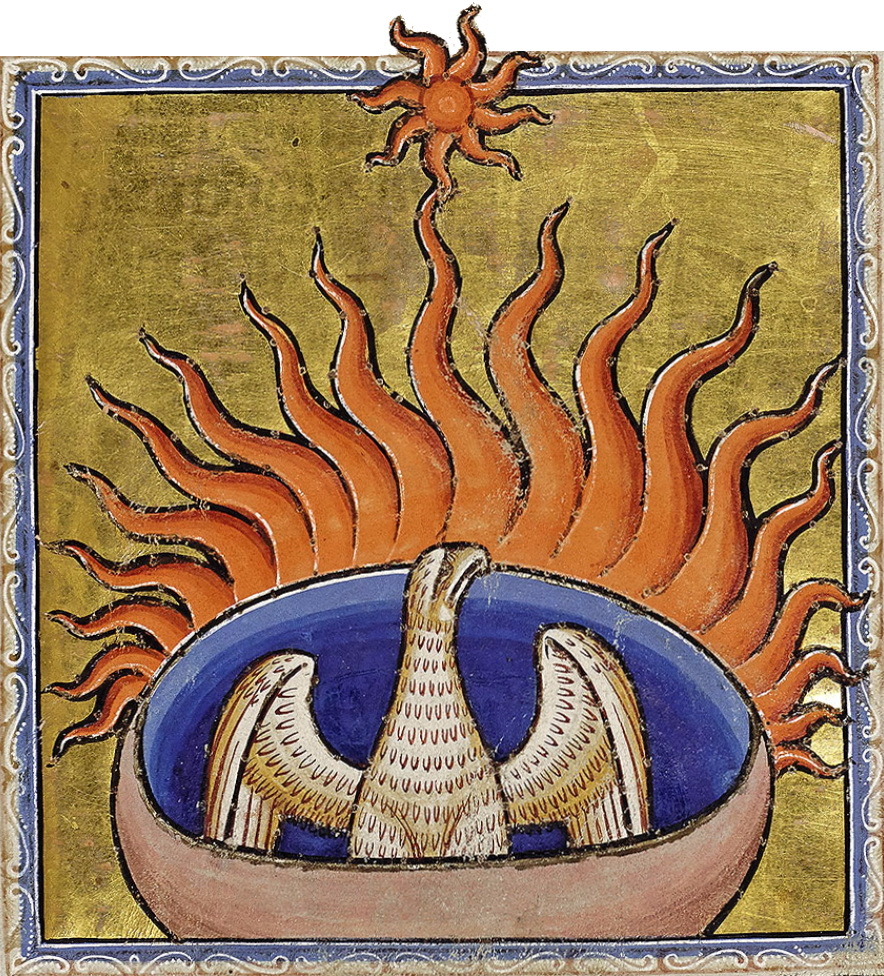
Dedicated to the red and the white rose, to the eyes and the flame, to a more perfect unity... You can reach me @ cathasach71854@gmail.com
Showing posts with label Ligouri. Show all posts
Showing posts with label Ligouri. Show all posts
Sunday, August 22, 2010


Subscribe to:
Posts (Atom)